
How to Start a Streetwear Brand in 2026
How to Start a Streetwear Brand in 2026 10 Common Mistakes New Brands Make
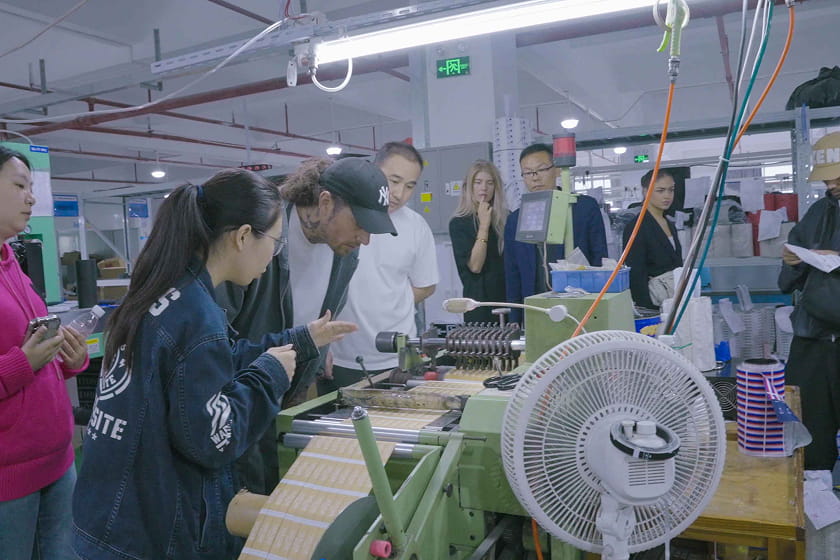
Starting a streetwear brand has never been easier. Thanks to platforms like Shopify, TikTok, and Instagram, entrepreneurs can launch a clothing brand with fewer barriers than ever before. However, many startups still face common challenges during their first collection. Whether you're looking for a streetwear manufacturer, a custom clothing manufacturer, or preparing for your first production run, avoiding these mistakes can save you time, money, and unnecessary setbacks.

1. Starting With Too Many Products
Many first-time founders try to launch a complete collection immediately:
-
Custom T-shirts
-
Custom Hoodies
-
Jackets
-
Cargo Pants
-
Hats and Accessories
While this may seem like a strong brand launch strategy, it often creates unnecessary inventory risk and production costs.
Instead, focus on 1–3 core products and validate market demand before expanding.
For many successful streetwear brands, custom hoodies and heavyweight T-shirts are often the best starting products.

2. Choosing a Clothing Manufacturer Based Only on Price
One of the biggest mistakes new brands make is selecting a clothing manufacturer solely based on the lowest quotation.
Low prices may initially seem attractive, but they often result in:
-
Inconsistent sizing
-
Poor garment quality
-
Delayed delivery
-
Communication issues
-
Limited production support
A reliable apparel manufacturer should provide clear communication, quality control, and long-term production support—not just competitive pricing.

3. Launching Without a Professional Tech Pack
A tech pack acts as the blueprint for your garment.
Without clear specifications, even experienced OEM clothing manufacturers may struggle to achieve your intended design.
Your tech pack should include:
-
Measurements
-
Fabric specifications
-
Print placement
-
Label details
-
Construction requirements
The more detailed your tech pack, the smoother your sampling and production process will be.

4. Ordering Too Much Inventory Too Early
Your first production run should be focused on testing demand rather than maximizing volume.
Many startup clothing brands overestimate sales and end up with excess inventory.
A controlled launch allows you to:
-
Reduce risk
-
Collect customer feedback
-
Optimize future production
This is why many brands prefer working with a low MOQ clothing manufacturer during the early stages.

5. Ignoring Fabric, Fit, and GSM
Streetwear customers pay close attention to garment quality.
Factors such as:
-
Fabric composition
-
GSM (fabric weight)
-
Fit development
-
Construction quality
-
Finishing details
often influence customer satisfaction more than graphic design alone.
A premium heavyweight hoodie made with the right fabric can significantly improve brand perception and customer retention.

6. Building Products Before Building an Audience
Many founders spend months developing products but never build an audience before launch.
Start documenting your journey early:
-
Product development
-
Sampling process
-
Fabric selection
-
Behind-the-scenes content
Community building should happen before production begins.

7. Expecting the First Sample to Be Perfect
Sampling is an essential part of product development.
The first sample is rarely the final version.
Most successful brands go through multiple revisions to refine:
-
Fit
-
Fabric
-
Construction
-
Branding details
Working with an experienced streetwear manufacturer can help streamline this process.

8. Poor Communication With Your Manufacturer
Many production challenges come from unclear communication rather than manufacturing capability.
Successful partnerships require:
-
Detailed specifications
-
Timely feedback
-
Clear expectations
A good manufacturer should act as a strategic partner rather than simply a supplier.

9. Underestimating Production Lead Times
Clothing production involves multiple stages:
-
Product development
-
Sampling
-
Fabric sourcing
-
Bulk production
-
Quality control
-
Shipping
Planning ahead is critical, especially for seasonal collections.
10. Thinking Branding Is Only About a Logo
A strong streetwear brand is built on:
-
Identity
-
Storytelling
-
Product quality
-
Consistency
-
Community
The most successful brands create emotional connections with their audience rather than relying solely on logos and graphics.
Final Thoughts
Starting a streetwear brand in 2026 offers tremendous opportunities, but success depends on making informed decisions from the beginning.
Many of the brands that thrive are not necessarily the largest or best-funded. They are the brands that focus on quality, stay consistent, and build strong partnerships throughout their growth journey.
At TsingWo, we work with startups, independent labels, retailers, and online sellers to develop and manufacture custom hoodies, custom T-shirts, jackets, pants, and knitwear.
As a custom clothing manufacturer and strategic product development partner, we help brands transform ideas into market-ready collections.
Looking for a reliable streetwear manufacturer or clothing manufacturer for startups?
Contact our team to discuss your next collection.
RECOMMENDED NEWS