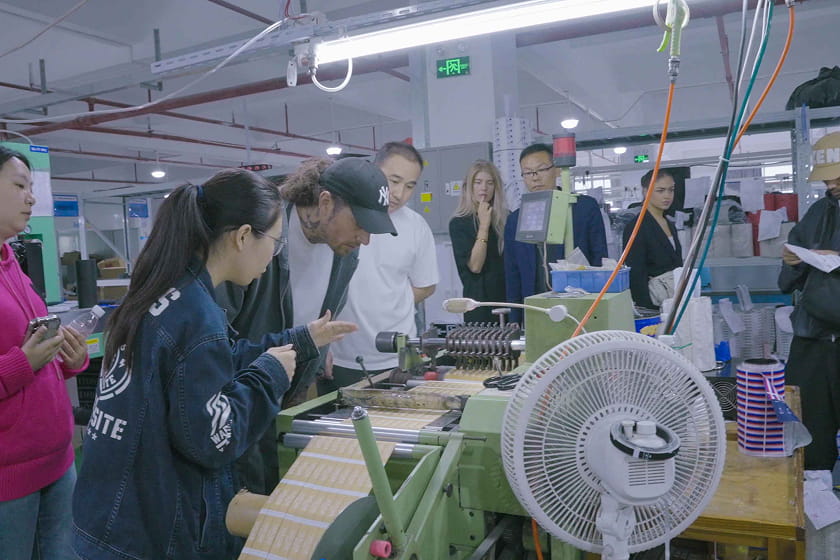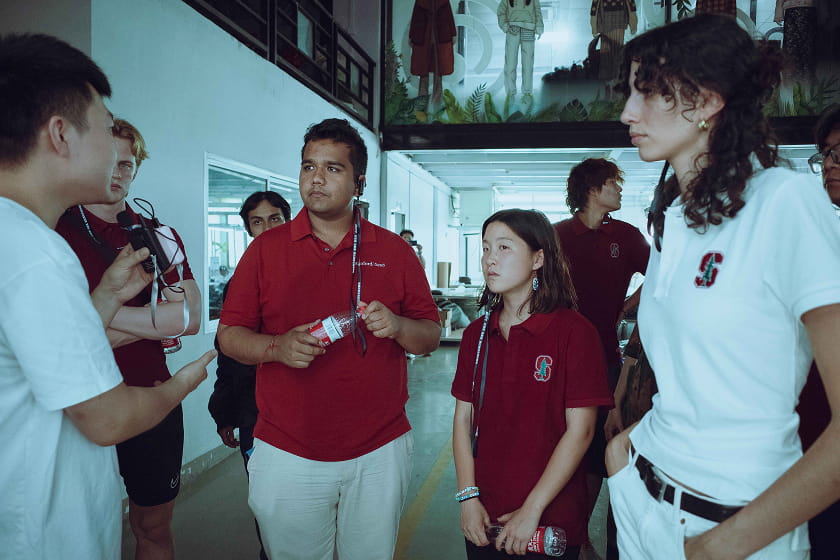

TsingWo 青火 CCO Chris Explores Cutting-Edge Fabrics at Guangzhou International Textile City with Clients
 123123123
Embroidery, an age-old technique of decorating fabric with needle and thread, has been an integral part of fashion for centuries. From ancient royal garments to modern streetwear, this intricate craft adds texture, color, and personality to clothing, making it a timeless design element in the fashion industry.
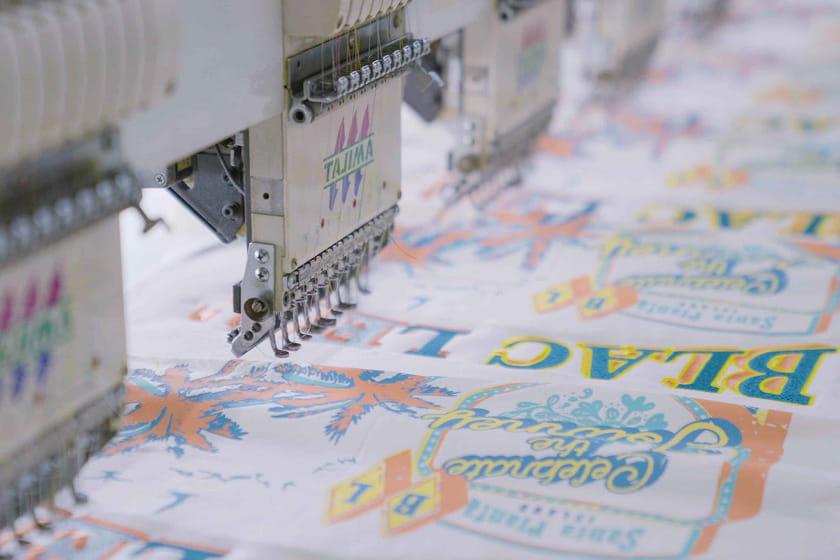
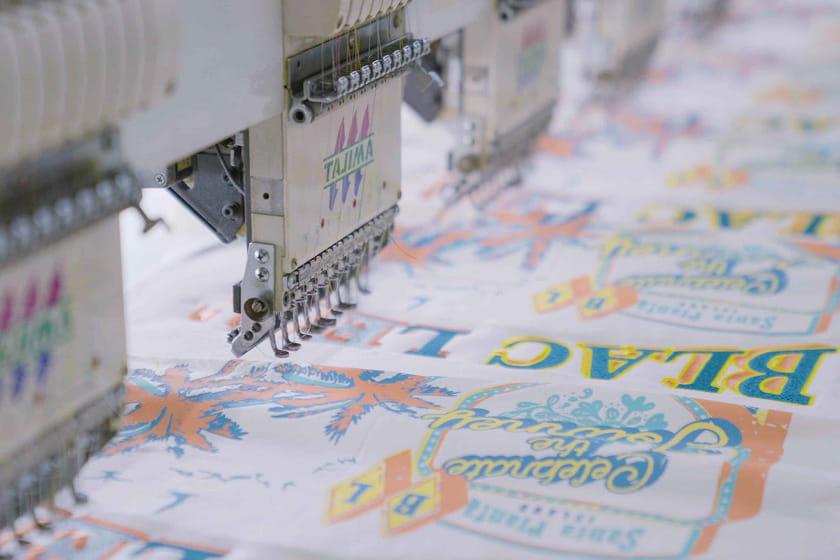
At its core, embroidery involves creating patterns by stitching threads onto a base fabric. The process can be done by hand or machine, each method offering unique advantages. Hand embroidery, often considered a form of artisanal craftsmanship, allows for unparalleled precision and customization. Artisans use various stitches like satin, chain, and French knots to bring designs to life, making each piece one-of-a-kind. Machine embroidery, on the other hand, leverages technology to produce consistent, intricate patterns at scale, meeting the demands of mass production while maintaining high quality.
The choice of materials plays a crucial role in embroidery. Threads come in a wide range of fibers, including cotton, silk, polyester, and metallic threads, each contributing different textures and finishes. Fabrics must also be carefully selected—heavier fabrics like denim and canvas provide a stable base for bold, dense embroidery, while lighter materials such as silk and linen require more delicate stitching to avoid damage.
In contemporary fashion, embroidery serves multiple purposes beyond aesthetics. It can reinforce seams, add brand to garments, or convey cultural and artistic messages. Luxury brands often use hand embroidery to showcase exclusivity, while fast-fashion labels employ machine embroidery to keep up with trends. Additionally, sustainable fashion movements have embraced embroidery as a way to upcycle old clothing, giving them new life.
The evolution of embroidery technology continues to expand its possibilities. Computerized embroidery machines can replicate complex designs with extreme accuracy, and digital design tools allow for endless creativity. Yet, the value of hand embroidery remains, as it preserves traditional skills and offers a human touch that machines cannot replicate.
Whether adorning a couture gown or a casual t-shirt, embroidery remains a versatile and enduring craft in the world of fashion, blending tradition and innovation to enhance the beauty and functionality of clothing.
RECOMMENDED NEWS